How Millennials Are Reshaping the Housing Market

The modern housing market is experiencing dramatic shifts, with millennials at the forefront of these changes. As the largest adult generation in the United States, this generation’s purchasing behaviors, financial priorities, and lifestyle preferences are introducing new dynamics to the real estate market. Whether searching for homes for sale in St. Louis, MO, or investing in greener properties, millennials’ influence is impossible to ignore. Millennials are reshaping the housing market, demanding high-tech amenities and eco-conscious features, which in turn are influencing long-held industry practices and reshaping long-term plans, as well as affecting construction materials and community design.
Delaying Homeownership
The path to homeownership is no longer a linear process. Millennials are delaying their first home purchases compared to previous generations. Rising student loan debt, stagnant wage growth, and steep housing prices have all contributed to this shift. In 2022, the typical age of first-time homebuyers climbed to 36, a significant jump from just a few years prior. For millennials, financial readiness often takes precedence over hitting traditional life milestones. This adjustment reflects a generation that exercises caution and prefers to build financial stability before purchasing property. Increased focus on paying off existing debts and creating emergency savings highlights a pragmatic approach, even if it means waiting longer to own a home.
Embracing Suburban Living
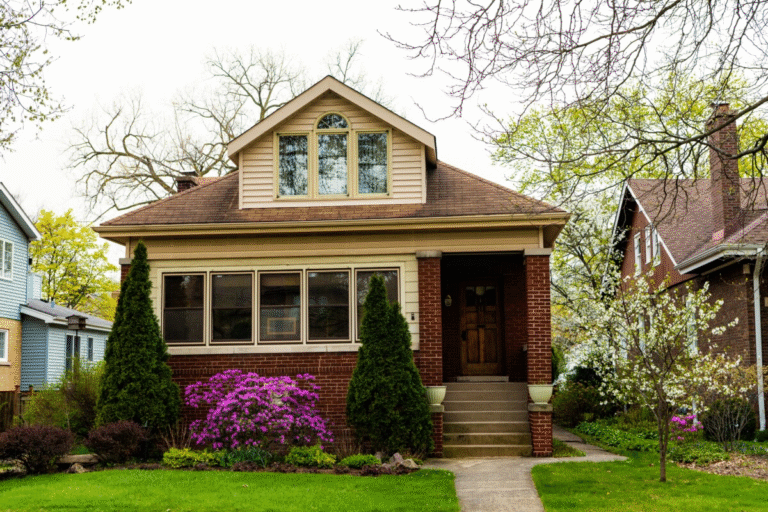
While city living once offered a compelling mix of amenities, walkability, and cultural attractions, millennials are increasingly turning toward suburban communities. With remote and hybrid work models becoming the norm, younger buyers are prioritizing space, affordability, and quality of life. Suburbs provide larger homes, access to green spaces, and better schools, meeting the needs of millennials planning for families or seeking a more flexible lifestyle. This movement has led to renewed investment in suburban infrastructure, retail, and transit, as well as a surge in the value of suburban homes.
Prioritizing Sustainability
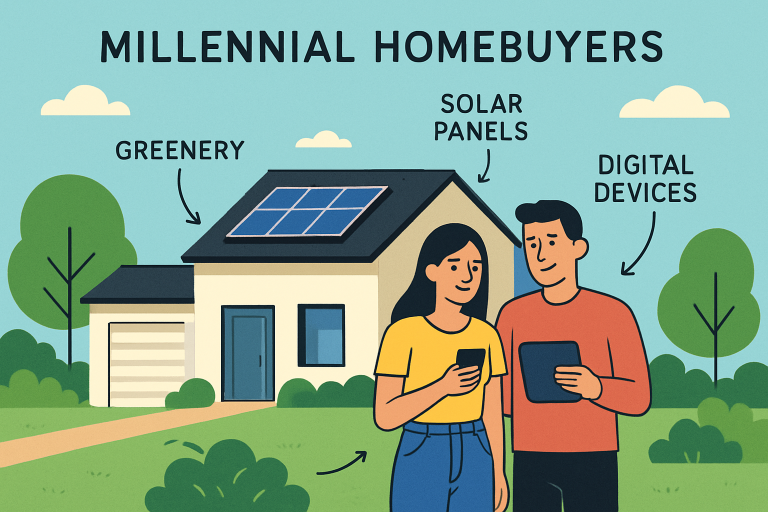
Environmental awareness remains a defining characteristic of millennial homebuyers. Features such as solar panels, energy-efficient appliances, smart thermostats, and recycled construction materials are not just perks — they’re often must-haves for this demographic. Buyers are willing to pay a premium for green certifications and eco-friendly amenities that help lower utility bills and reduce their environmental footprint.
Changing Builder Priorities
With growing demand for sustainable features, home builders are adopting greener construction methods and sourcing alternative materials. Sellers are also investing in eco-friendly renovations to make their properties more appealing to a younger, more environmentally conscious audience. Industry standards are quickly evolving in response to these new priorities.
Leveraging Technology
The tech-savvy nature of millennials is fundamentally transforming the real estate industry. Online property searches, 3D virtual tours, remote notary closings, and digital mortgage applications are standard expectations. 99% of millennials use the internet to search for a home, far outpacing every other generation. Agents and brokerages now leverage digital marketing, social media, and targeted online advertising to capture the attention of millennials. This cohort values transparent, real-time communication and detailed information — preferences driving innovation across the entire property transaction process.
Exploring Alternative Ownership Models
Challenged by affordability, many millennials are experimenting with unconventional forms of homeownership. Co-buying, where friends or family pool resources to purchase a property, is gaining momentum. This shared approach not only helps with down payments and qualifying for mortgages but also distributes the risk and responsibility of ownership among multiple parties. In urban centers, especially, shared equity agreements, rent-to-own models, and community land trusts are gaining popularity. These models provide creative solutions for individuals who might otherwise be excluded from homeownership.
Impact on the Housing Market
The collective preferences of millennials are reshaping the housing market at every level. Developers are adapting designs to offer affordable, sustainable, and tech-enabled homes that appeal to this significant buying segment. Homebuilders and urban planners are reevaluating the balance between urban, suburban, and rural development in response to shifting demand. Infrastructure investments are following millennials out of cities, guiding the emergence of new schools, healthcare facilities, and retail centers. Real estate professionals and policymakers alike must stay attuned to the evolving needs of millennial buyers.
Conclusion
Millennials’ evolving preferences are redefining what it means to buy and own a home in today’s world. Their emphasis on financial prudence, sustainability, and technology is not only influencing how homes are built and sold but also shaping the future of entire communities. As this generation continues to mature and gain purchasing power, the housing market will increasingly reflect their values — smarter, greener, and more connected than ever before.