
How Tree Services Can Prevent Pest Infestations
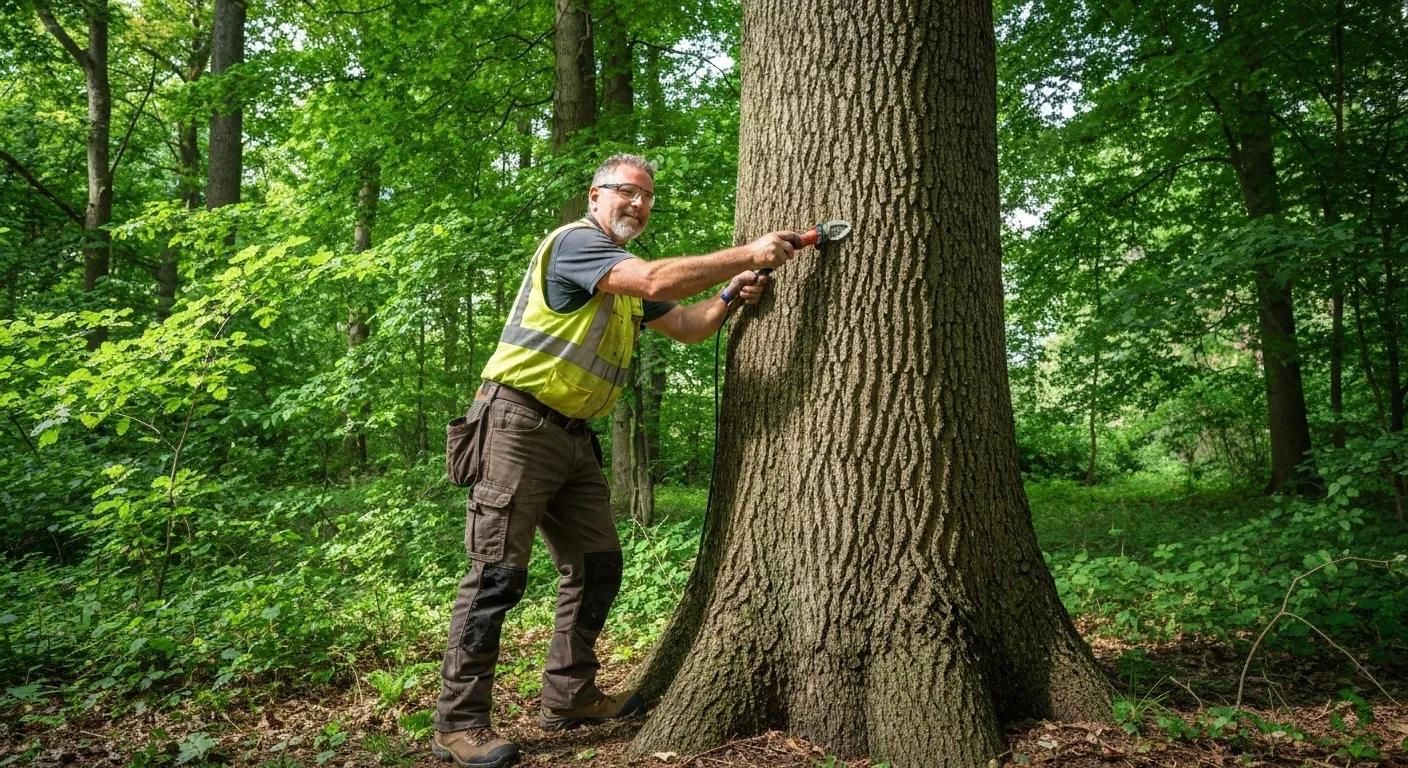
Arborists provide specialized services such as on-site evaluations to identify stressors like insects and pests, and develop solutions to manage infestations. They possess the technical precision to identify the root causes of poor tree health. Here is how tree services can prevent pest infestations:
Periodic Tree Inspections
Arborists perform a comprehensive evaluation of the tree canopy, trunk, and root zone to detect early signs of stress. They monitor soil quality and moisture levels during visits to make sure it’s neither overwatered nor underwatered. If they discover a specific vulnerability, they can recommend targeted treatment plans to strengthen the tree’s defenses. Strategic monitoring enables the use of preventive measures such as dormant oils or systemic injections. This maintains vegetation health without the need for reactive interventions.
Deep Root Fertilization
Deep root fertilization delivers high-quality nutrients directly to the plant’s root zone. This specialized process uses high-pressure equipment to deliver a balanced blend of minerals, allowing the plant to quickly get nourishment. The service optimizes the subterranean environment, helping the tree establish a foundation that can withstand many environmental stressors. A healthy tree may naturally produce chemical compounds that deter wood-boring insects and foliage-feeding pests. When a tree suffers from nutrient deficiencies, its energy reserves become depleted. Deep root fertilization restores these resources, improving the tree’s strength.
Dormant Oil Application
A tree doctor might apply specialized oils during the winter months, when plants are dormant. The oil creates a thin film over the bark, smothering insects and their eggs by blocking their breathing pores. This method helps control persistent populations of aphids, scale insects, and spider mites. Dormant oils help eliminate the next generation of pests while they are still in a vulnerable, stationary phase. If an arborist identifies a history of infestation on a specific specimen, they might recommend this non-toxic approach as a primary defense. The procedure reduces the risk of foliage sensitivity because the application occurs when the tree is not actively growing.
Structural Tree Pruning
Structural tree pruning involves the removal of the specific portions of a tree that are most attractive to opportunistic pests. Dead, dying, or diseased branches act as primary entry points for wood-boring insects. Arborists remove these vulnerable areas to eliminate potential breeding grounds. This allows the tree to better allocate its internal resources toward the growth of healthy tissue and natural defense barriers. Tree pruning helps thin the canopy to improve airflow and sunlight penetration throughout the interior of the branches. This lowers moisture levels in the inner foliage, discouraging leaf-feeding insects from settling there.
Growth Regulator Application
Tree maintenance services can help shift a plant’s energy away from rapid canopy extension and toward defensive functions. When a tree doctor applies regulators, the plant’s vertical growth rate decreases. This physiological shift thickens the leaves, making the foliage more difficult for insects to penetrate. Growth regulators make the tree less hospitable to pests through the following:
- Increased fibrous root growth
- Improved drought resistance
- Optimized energy storage
Learn More About Arborists
Bark wash protection prevents pest infestations by targeting insects before they can burrow deep into the tree. Deer and rabbit repellent services help protect the lower bark and twigs from physical damage. Contact a reputable arborist to learn more about their services.
- How To Compare Puerto Rico Neighborhoods Before Buying A Home In 2026
- Comprehensive Guide to Purchasing a Home in Highland Park, Texas
- Living and Buying in Longboat Key: Your Guide to Paradise on Florida’s Gulf Coast
- Embarking on Homeownership in Washington, D.C.: A Comprehensive Guide
- Seeing Is Believing: How to Spot Potential in Any Home