How to Maintain a Safe and Efficient Fireplace
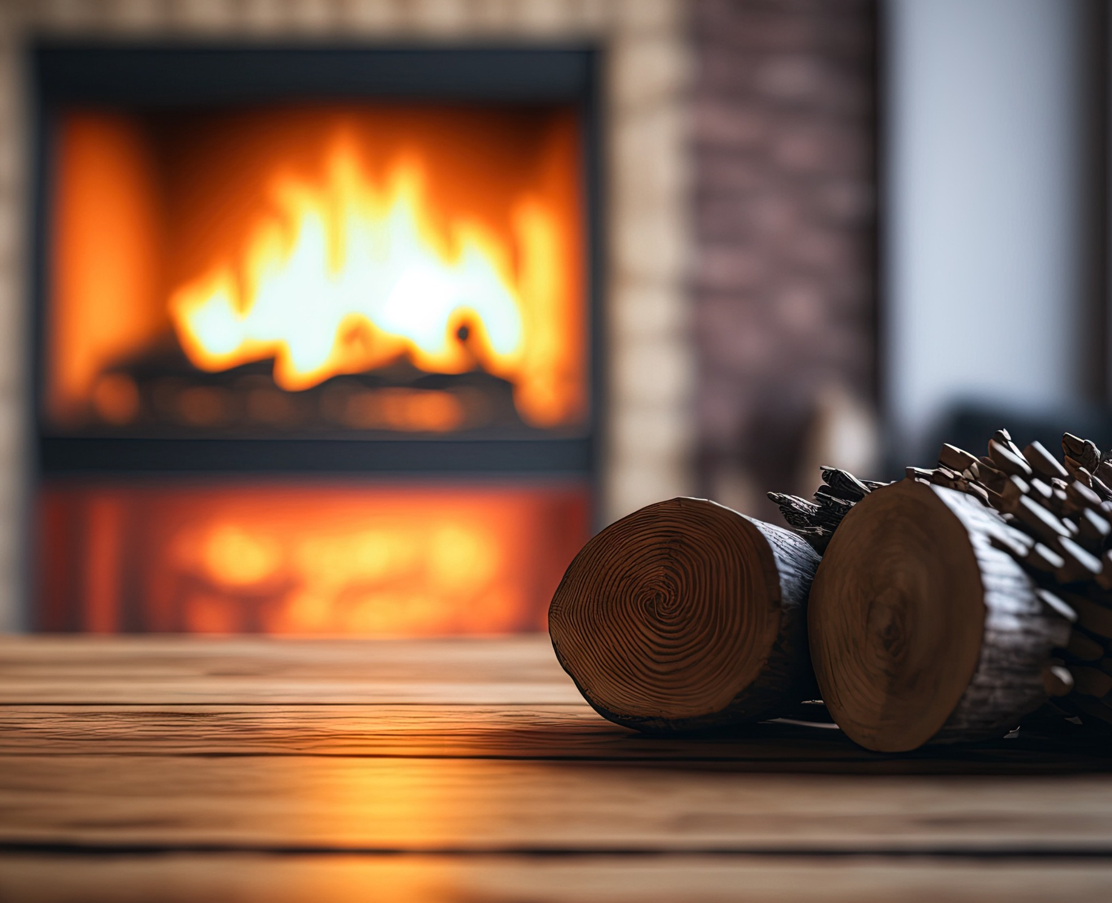
Table of Contents
- Regular Inspections and Cleaning
- Proper Ventilation
- Using the Right Fuel
- Installing Safety Features
- Maintaining Clearance Around the Fireplace
- Monitoring Air Quality
- Safe Operation Practices
- Conclusion
Proper fireplace maintenance is vital for safety and comfort. It involves following safety standards, regular cleaning, and inspections. As many homes increasingly rely on wood, pellet, or gas fireplaces for supplemental heating, knowing essential care tips becomes important. Ensuring good air quality and selecting the correct fuel are also key. This guide offers practical advice for maintaining your fireplace safely and efficiently, based on recommendations from safety agencies, professional chimney sweeps, and reputable home publications.
Regular Inspections and Cleaning
Maintaining a safe and efficient fireplace starts with regular inspections and cleaning. Over time, creosote buildup, soot, and debris can create fire hazards and reduce the efficiency of your fireplace. Scheduling annual professional inspections helps identify cracks, blockages, or other issues before they become serious problems. Routine cleaning of the firebox and chimney flue ensures proper airflow and optimal performance. Homeowners can rely on experienced professionals like Southern Chimneys to provide thorough inspections and maintenance, ensuring the fireplace operates safely while extending its lifespan. Consistent upkeep not only protects your home but also enhances heating efficiency and comfort.
Proper Ventilation
Proper airflow is key to effective operation and a safe indoor environment. Always open the damper before starting a fire and keep it open until the flames are fully extinguished. A well-ventilated fireplace directs smoke, carbon monoxide, and airborne particles safely out of your home, while a blocked or closed damper can send harmful gases back indoors. Modern venting systems, such as direct-vent or top-sealing dampers, can further enhance efficiency and air quality.
Using the Right Fuel
The kind of fuel you choose directly influences the safety and efficiency of your fireplace. For wood-burning models, always opt for seasoned hardwoods like oak, maple, or hickory. These dry logs burn more efficiently and cleaner, reducing creosote buildup and airborne particles matter. Never burn green (unseasoned) wood, trash, painted materials, or treated lumber, as these can clog the chimney, emit toxic fumes, or cause dangerous flare-ups. If you use a gas or pellet fireplace, follow the manufacturer’s recommendations for fuel types, and never attempt to convert fuel types without professional assistance.
Installing Safety Features
Installing sturdy barriers over the fireplace, such as glass doors or metal screens, is a crucial step in preventing sparks, embers, or logs from escaping the firebox. These features are particularly vital in homes with young children or pets. Additionally, equip your home with working smoke alarms and carbon monoxide detectors, especially in areas where people sleep and near the fireplace. Test these safety devices monthly and replace batteries regularly for continuous protection.
Maintaining Clearance Around the Fireplace
Combustible materials—like furniture, curtains, rugs, and stacked firewood—should be kept at least three feet away from the fireplace opening. This safety buffer helps prevent accidental ignition and reduces the risk of fire spreading in the event of an emergency. Establish clear “no-clutter” zones and make sure that children and pets are supervised when the fireplace is in use.
Monitoring Air Quality
Fireplaces, especially those burning wood, can introduce airborne pollutants inside your home. Using a quality air purifier equipped with HEPA and activated carbon filters can help remove fine particles, smoke odor, and trace chemicals. Monitor indoor air quality, especially during extended fireplace use, to prevent respiratory irritation and health risks. In regions prone to wildfires or poor outdoor air quality, maintaining clean indoor air becomes even more crucial.
Safe Operation Practices
Maintaining safe habits ensures your fireplace functions properly and has a longer lifespan. Never leave a fire unattended, and always make sure it’s completely out before leaving the house or going to sleep. Use long-handled tools for tending the fire, store flammable liquids away from the fireplace, and steer clear of accelerants like gasoline or lighter fluid. Dispose of ash into a metal container, leaving a thin layer in the firebox to provide insulation and protection. Experts recommend these safety measures to safeguard your home and loved ones.
Conclusion
Enjoying the beauty and warmth of a fireplace safely requires more than just good intentions. Consistency in inspections, cleaning, ventilation, fuel choice, safety enhancements, and operation habits ensures your fireplace remains an efficient, safe, and inviting focal point of your home. Stay vigilant, stay informed, and turn to reliable professionals when needed to maintain a fireplace that brings only comfort, never concern.
- How To Compare Puerto Rico Neighborhoods Before Buying A Home In 2026
- Comprehensive Guide to Purchasing a Home in Highland Park, Texas
- Living and Buying in Longboat Key: Your Guide to Paradise on Florida’s Gulf Coast
- Embarking on Homeownership in Washington, D.C.: A Comprehensive Guide
- Seeing Is Believing: How to Spot Potential in Any Home